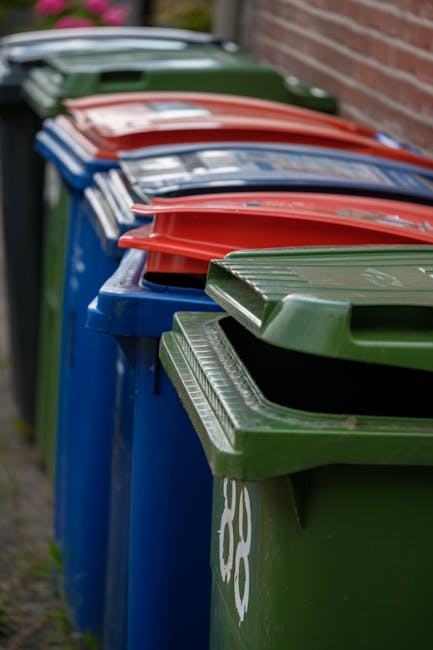
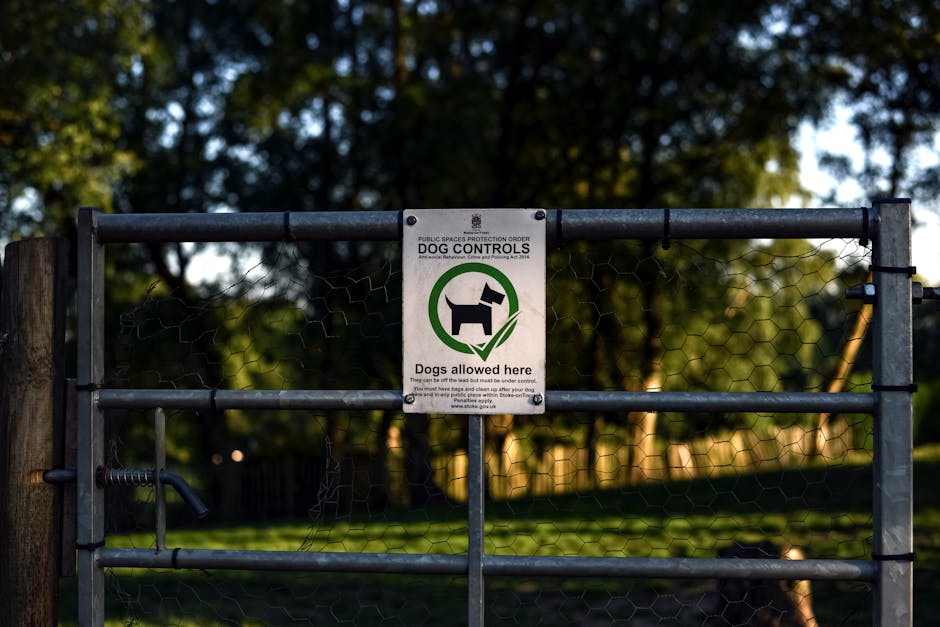
Hillingdon council garden waste rules for Yeading gardeners: a practical local guide
If you garden in Yeading, the Hillingdon council garden waste rules for Yeading gardeners can shape everything from how you trim a hedge to how you clear a border after a wet weekend. It sounds simple, but the details matter. What counts as garden waste? What should never go in the bin? And what do you do when the heap in the corner suddenly becomes a small mountain of branches, clippings, and muddy roots?
This guide breaks it down in plain English. You will find the main do's and don'ts, sensible ways to separate green waste from mixed waste, and a few practical habits that make garden clearance less stressful. There is also a checklist, a comparison table, and a realistic example from an everyday Yeading garden job. Let's face it, nobody wants to guess wrong and end up with a rejected collection or a messy driveway on a Thursday morning.
Contents
- Why Hillingdon council garden waste rules for Yeading gardeners Matters
- How Hillingdon council garden waste rules for Yeading gardeners Works
- Key Benefits and Practical Advantages
- Who This Is For and When It Makes Sense
- Step-by-Step Guidance
- Expert Tips for Better Results
- Common Mistakes to Avoid
- Tools, Resources and Recommendations
- Law, Compliance, Standards, or Best Practice
- Options, Methods, or Comparison Table
- Case Study or Real-World Example
- Practical Checklist
- Conclusion
- Frequently Asked Questions
Why Hillingdon council garden waste rules for Yeading gardeners Matters
Garden waste sounds harmless enough, but councils treat it as a specific stream for a reason. Grass cuttings, hedge trimmings, leaves, weeds, and small prunings are usually much easier to process when they are kept separate from household rubbish, rubble, plastics, and food waste. In a busy area like Yeading, where gardens vary from compact terraces to larger family plots, getting this right helps the system work smoothly for everyone.
The practical side is obvious. If you sort waste properly, you are less likely to face confusion on collection day, less likely to overfill containers, and more likely to avoid that awkward "what do I do with this pile now?" moment after a big tidy-up. And if you are paying someone for garden work, understanding the rules helps you ask the right questions before the job starts.
There is also a quiet environmental benefit. Green waste can often be treated differently from mixed rubbish, which is one reason local recycling and sustainability habits matter so much. If you like the idea of a cleaner garden and a less wasteful routine, the rules are not just red tape. They are part of the process.
For Yeading homeowners, landlords, tenants, and anyone maintaining a shared outdoor space, the rules also matter because they shape planning. A hedge trim is not just a hedge trim. It may produce cuttings that need bagging, bundling, or removal in a particular way. That is where services like hedge trimming and garden clearance become much more useful than people first expect.
How Hillingdon council garden waste rules for Yeading gardeners Works
At a practical level, the council approach is usually about separation, presentation, and acceptable contents. In everyday terms, that means putting the right things with the right things, and not sneaking in anything that does not belong. Simple enough. Until you are stood in the garden with a half-sacked mix of ivy, soil, and broken plant pots.
Most garden waste rules revolve around organic material from routine gardening. Typical examples include:
- grass cuttings
- hedge trimmings
- leaves and weeds
- small branches and twigs
- dead plants and flowers
In contrast, the following often create problems because they are not clean green waste or because they need a different disposal route:
- soil, turf in large amounts, and stones
- plastic pots, plant labels, and packaging
- treated timber and fencing
- food waste mixed into garden bags
- large roots, rubble, or building materials
If you are arranging work after a seasonal cut-back, think in layers. First, cut and collect. Then separate reusable green material from mixed debris. Finally, decide whether you are dealing with a routine collection, a small DIY tidy, or something closer to a full clearance. That last one is where a service such as garden maintenance can save a lot of hassle, especially if the garden has been left for a while.
One thing people often miss: the rules are not just about what goes out, but how clean and manageable the waste is when it is presented. Wet clippings packed into oversized bags can be awkward. Thorny branches shoved into flimsy sacks are worse. Tiny detail, big difference.
Key Benefits and Practical Advantages
Following the local garden waste rules properly gives you a few solid wins, and not just in a theoretical, policy-heavy sort of way.
- Fewer collection problems: if waste is sorted correctly, it is less likely to be left behind or rejected.
- Cleaner garden routines: you work more efficiently when you know what goes where.
- Lower risk of mess: mixed waste tends to spread, smell, and become awkward fast.
- Better recycling outcomes: greener material is usually easier to process when it stays uncontaminated.
- Less time wasted: you do not need to re-sort bags on collection day or after a contractor has gone.
There is also a subtle planning benefit. Once you understand the likely waste stream from a job, you can estimate how much labour, time, and vehicle space it might need. That is useful whether you are doing the work yourself or booking help through a local team. A small hedge trim is one thing. A front garden refresh after six months of growth is another entirely.
In our experience, Yeading gardens often go through bursts of activity: a spring clean, a summer mow, then suddenly a pre-winter cut-back when the light changes and the lawn starts to feel soft underfoot. Keeping the waste side under control makes those bursts easier to manage.
Who This Is For and When It Makes Sense
This guidance is useful for more people than you might think. If you recognise any of the situations below, it is probably relevant to you.
- Homeowners who mow lawns, trim hedges, or tidy borders themselves.
- Renters who are expected to keep a garden presentable but are unsure about local waste handling.
- Landlords and letting agents who need gardens left in a clean, compliant state between tenancies.
- Older residents who want a straightforward routine without lifting heavy bags or making repeated trips.
- Busy families who do weekend garden jobs and want a simple system.
- People hiring garden services who want to know what should be included in the job.
It makes sense especially when the garden work is not minor. A few dead leaves are one thing. A hedge reset, a tree pruning job, or an overgrown patch that has been ignored since last autumn - that is where proper waste handling starts to matter. If you are dealing with branches, heavy clippings, or awkward bulky material, services like tree lopping and removal and lawn mowing can be part of a cleaner, more organised approach.
Truth be told, many people only think about waste rules after the work is done. That is usually the expensive way to learn. Better to sort it before you start.
Step-by-Step Guidance
Here is a practical way to handle garden waste in Yeading without turning the job into a weekend-long headache.
- Walk the garden first. Look at what is actually being produced. A lawn cut creates one type of waste. A hedge cut produces another. A clearance job may bring mixed material, and that changes everything.
- Separate green waste from non-green waste. Put grass, leaves, weeds, and prunings together if they are clean. Keep plastic, pottery, stones, and timber out of the pile.
- Check for awkward material. Large roots, thick trunk sections, or treated wood may need a different treatment. Do not assume they belong with ordinary garden waste.
- Bag or pile sensibly. Use sturdy bags or bundles that are manageable to move. Heavy, sodden sacks are a nuisance and often a sign the job needs a different plan.
- Keep paths and access clear. If collection or removal is involved, make sure there is a safe route from the garden to the exit point.
- Decide whether the job is routine or a clearance. Small tidy-ups suit a maintenance rhythm. Bigger jobs may call for garden clearance support.
- Set a disposal plan before cutting begins. It sounds obvious, but it saves time. Where will it go, who is moving it, and how much will there be?
A little structure helps a lot. And yes, it is the unglamorous bit of gardening. Nobody dreams about sorting weeds into bags. Still, that is often what separates a tidy, calm job from a soggy mess by 4 pm.
Expert Tips for Better Results
If you want the job to go more smoothly, a few small habits make a surprisingly big difference.
- Cut dry when you can. Wet grass and damp hedge cuttings are heavier and harder to handle.
- Prune in stages. If a hedge or shrub is dense, work gradually rather than trying to force one huge cut.
- Keep recyclable green waste clean. The cleaner it is, the easier it is to treat properly.
- Plan your waste area. One corner of the garden or driveway can be used as a temporary collection point.
- Use the right tools. Sharp, well-kept tools reduce shredded material and make the waste easier to manage.
- Think about the end state, not just the cut. A job is not finished until the waste is sorted and moved.
If you are doing this more than once or twice a year, a structured routine pays off. Many people find it helpful to tie waste handling into regular upkeep, especially when using landscape gardening or broader services overview support for larger outdoor spaces.
One more thing: do not underestimate weather. A light drizzle in Yeading can turn a neat pile into something that sticks together like stubborn porridge. Not ideal.
Common Mistakes to Avoid
Most problems with garden waste are avoidable. The issue is usually not bad intention; it is rushing.
- Mixing rubbish with green waste: even a few plastic items can contaminate an otherwise clean pile.
- Overloading bags: heavy sacks split, tear, or become impossible to lift safely.
- Leaving waste exposed for too long: it gets wet, blows around, or starts to look untidy fast.
- Forgetting bulky material: branches and woody offcuts often need more thought than leaf waste.
- Assuming all garden jobs are the same: lawn cuttings, hedge trimmings, and clearance waste are not interchangeable.
- Ignoring access issues: narrow paths, side gates, and steps matter when moving bulky waste.
There is a common trap here. A garden can look almost finished, and then the waste pile tells the real story. The eye is drawn to the tidy lawn, but the bin area is where things either go well or get messy. Funny how that works.
Tools, Resources and Recommendations
You do not need a van full of specialist kit to handle garden waste properly, but a few basics help enormously.
- Heavy-duty garden bags for clean cuttings and light prunings.
- Tarpaulin sheets for moving loose waste across a patio or driveway.
- Secateurs, loppers, and pruning saws for breaking down awkward material.
- Gloves and sturdy boots to reduce cuts, splinters, and slips.
- A wheelbarrow or garden cart for heavy loads.
- Rake and leaf grabbers to gather fine debris efficiently.
For many Yeading gardeners, the smartest resource is not a gadget but a plan. Decide early whether the job is a quick tidy, a seasonal maintenance visit, or a larger clearance. That helps you match effort to outcome. If the aim is a cleaner, more manageable outdoor space over time, regular garden maintenance is often the easiest route.
If you are booking professional help, you may also want to review practical service details such as pricing and quotes, plus the company's approach to recycling and sustainability. That gives you a better sense of how waste will be handled and what is included.
Law, Compliance, Standards, or Best Practice
When garden waste is involved, the safe approach is to follow local collection rules, avoid contamination, and handle waste responsibly. Without pretending every garden is identical, there are some sensible UK best practices that are widely accepted.
First, keep garden waste separate from general household rubbish unless you have clear guidance that says otherwise. Second, do not place hazardous or unsuitable materials into green waste containers. Third, avoid creating an obstruction or a safety problem for neighbours, passers-by, or collection crews. It is a modest duty of care, really, but an important one.
If you are hiring someone to do the work, there is also an expectation of safe handling. That includes sensible manual lifting, keeping tools in good condition, and being clear about what waste is being removed. Pages such as health and safety policy and insurance and safety are useful indicators of how a provider thinks about risk and responsibility.
Best practice also means being honest about the scale of the job. A few bags of clippings should not be treated like a full site clearance. At the same time, a serious overgrowth should not be underestimated just because it started with "a quick trim."
That balance matters. Compliance is not only about rules; it is about making sensible choices that keep people, property, and waste streams in good order.
Options, Methods, or Comparison Table
Different garden waste situations call for different methods. Here is a straightforward comparison to help you choose the right approach.
| Method | Best for | Pros | Watch-outs |
|---|---|---|---|
| Routine bagged green waste | Lawns, weeds, light pruning | Simple, tidy, easy to handle | Can become heavy if damp or overfilled |
| Bundled branch waste | Hedge cuts and twiggy material | Good for woody offcuts, neat presentation | Must be tied securely and kept manageable |
| Mixed garden clearance | Overgrown or neglected plots | Handles larger, messier jobs | Requires more sorting and planning |
| Scheduled maintenance visits | Ongoing garden care | Keeps waste volumes smaller over time | Needs consistency |
If your garden produces a little waste regularly, maintenance is usually the easiest method. If you are dealing with a once-off overgrown space, clearance makes more sense. Simple, but helpful. Most people in Yeading do better once they stop trying to treat every garden job the same way.
Case Study or Real-World Example
Picture a small Yeading front garden after six weeks of decent growing weather. The hedge has pushed out soft new growth, the lawn has thickened, and the borders are full of weeds after a couple of damp spells. Nothing dramatic, just enough to feel untidy every time you come through the gate.
The homeowner decides to do the work over one Saturday morning. First comes the hedge trim, which produces a light but surprisingly bulky pile of green clippings. Then the lawn is mown, leaving a smaller but wetter set of cuttings. Finally, the borders are cleared by hand, which adds weeds, roots, and a few broken bits of plastic edging that should not go in with green waste.
At that point, the difference between a smooth day and a frustrating one is planning. The green waste is kept separate from the plastic edging. The hedge cuttings are bundled. The lawn clippings are left to dry a little before bagging. The heavier mixed bits are set aside for separate removal rather than squeezed into the same sacks.
The result? The garden looks clean, the waste is manageable, and there is no last-minute panic about where a heavy, mixed bag should go. That sort of job sounds small, but it is exactly the kind of thing that makes local garden rules worth understanding.
If the garden had been much more overgrown, the better choice might have been a fuller clearance supported by garden clearance rather than a simple tidy-up. Sometimes the honest answer is: this needs more than a quick pass.
Practical Checklist
Use this before, during, or after a garden job in Yeading.
- Have I separated green waste from mixed rubbish?
- Are branches, twigs, and hedge trimmings manageable in size?
- Have I kept out plastic, pots, stones, and treated wood?
- Are my bags or bundles strong enough to lift safely?
- Do I know whether this is a routine tidy or a larger clearance job?
- Is the access route clear for moving waste out of the garden?
- Have I planned for wet clippings or heavy loads?
- Do I need help with ongoing upkeep rather than a one-off job?
- Have I checked the provider's approach to safety and recycling?
- Is the garden going to be left tidy once the work is finished?
If you can tick most of those items, you are in good shape. If not, slow down a bit. That is usually the smartest move.
Conclusion
For Yeading gardeners, understanding Hillingdon council garden waste rules is less about memorising fine print and more about building a simple, reliable habit. Separate clean green waste, avoid contamination, plan for heavier or bulkier material, and match the disposal method to the size of the job. That is the heart of it.
Once you do, garden work becomes calmer. Collection days are easier. Clearance jobs feel less chaotic. And the garden itself tends to stay in better shape because you are not putting off the waste side until the end. It all links together, really.
If you would like support with routine upkeep, hedge work, or a bigger outdoor tidy, it can help to choose a local team that understands both the practical side of the job and the waste handling that comes with it. A well-kept garden is a nicer place to stand in on a grey London morning, and that matters more than people admit.
Get a free quote today and see how much you can save.
Frequently Asked Questions
What counts as garden waste in Yeading?
Garden waste usually means organic material from normal gardening, such as grass cuttings, hedge trimmings, leaves, weeds, and small prunings. Mixed rubbish, soil, stones, pots, and treated wood are usually treated differently.
Can I put hedge trimmings in the same bag as lawn clippings?
Yes, if they are clean green waste and the container is manageable. The main issue is weight and contamination. Wet clippings can become heavy quickly, so don't overpack the bag.
What should I do with branches from tree pruning?
Smaller branches may be bundled or included with green waste if that is acceptable for your collection method. Larger sections, thick trunks, or awkward woody material may need a separate approach.
Can soil go in garden waste collections?
Usually soil is not treated the same as clean green waste. A small amount attached to roots may not be a big issue, but larger quantities are often a problem. It is best to keep soil separate.
Do I need a garden waste subscription or special collection?
That depends on the council service and the type of waste you are producing. Some households manage with ordinary collection methods, while others prefer a specific garden waste arrangement. Check what fits your situation before the pile grows.
What happens if my garden waste is contaminated?
It may be rejected or left behind, depending on the collection method. Even a little plastic, rubble, or treated timber can make a clean load harder to process.
How can I reduce the amount of garden waste I create?
Regular maintenance helps. Smaller, more frequent cuts usually create less bulky waste than leaving growth for months and then attacking everything at once.
Is it better to book a clearance service or do it myself?
If the job is small and straightforward, DIY can work well. If the garden is overgrown, bulky, or mixed with unwanted material, a professional clearance is often simpler and safer.
How often should Yeading gardeners deal with waste?
That depends on the season and the size of the garden. In spring and early summer, waste often builds up quickly. A regular routine usually prevents the big backlogs that become awkward later on.
What is the biggest mistake people make with garden waste?
Mixing too many different materials together. It sounds minor, but once a bag has plastic, soil, and green waste all tangled up, the whole process becomes slower and less efficient.
Can professional gardeners handle the waste for me?
Often, yes. Many people prefer to have the cutting, clearing, and disposal managed as one job. If that is important to you, make sure the service scope is clear before work begins.
Where should I start if my garden is badly overgrown?
Start with a walk-through and a reality check. Identify the worst areas, separate obvious waste types, and decide whether the job needs a full clearance or staged maintenance. If in doubt, begin conservatively. It usually works better.
For more about the team behind this kind of local garden support, see the about us page, or visit contact us if you want to discuss a specific garden project. For site policies and customer information, you can also review the terms and conditions and privacy policy.
And if you are planning a bigger refresh, it may be worth looking at the wider landscaping and decking services options too. A better garden often starts with tidier waste habits, then grows from there.