Hedge Trimming Yeading: Recycling and Sustainability
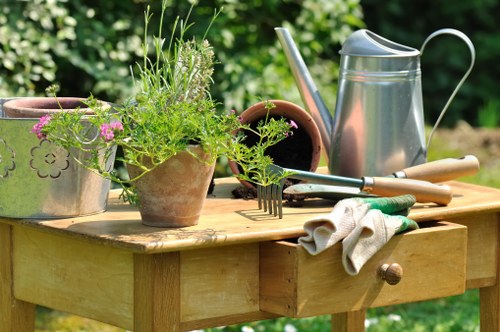 Hedge Trimming Yeading is committed to building an eco-friendly waste disposal area and a sustainable rubbish gardening area for local residents and businesses. Our approach focuses on minimising landfill, maximising material reuse, and integrating with the borough's existing waste separation schemes. We work to ensure that garden cuttings, woody debris and soil are handled in ways that benefit the local green infrastructure while reducing carbon emissions from collection and processing.
We recognise the importance of a clear, local strategy for green waste and general recycling. In collaboration with neighbours across the west London boroughs, our Yeading hedge and garden services align with municipal policies that separate food waste, mixed recycling and green collections at kerbside. This alignment helps avoid cross-contamination and raises overall recycling yields from routine hedge trimming, shrub pruning and garden clearance.
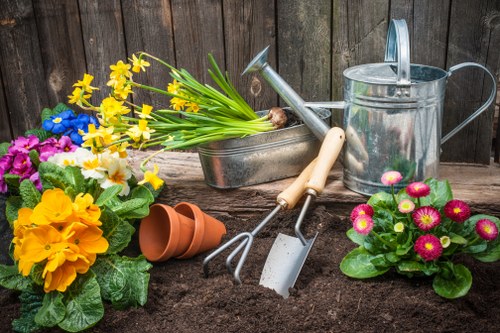 Our sustainability policy sets a measurable target: we aim for an ambitious 70% recycling percentage target for all material streams originating from hedge work and garden clearance by the end of 2028. That percentage covers green waste diverted to composting or chipping, wood and timber reused for local projects, and recyclable plastics and metals recovered from garden maintenance sites.
To support this goal we run a defined route-to-disposal plan. Waste from Yeading works is sorted on-site where feasible, with separate containers for green waste, wood, recyclable packaging and residual rubbish. Where on-site separation isn't possible, material is taken to local transfer stations and green waste hubs in west London that accept garden material and ensure it enters appropriate processing streams. These local transfer stations reduce double-handling and shorten haul distances, which in turn lowers CO2 emissions from transport.
Partnerships with Charities and Community Reuse
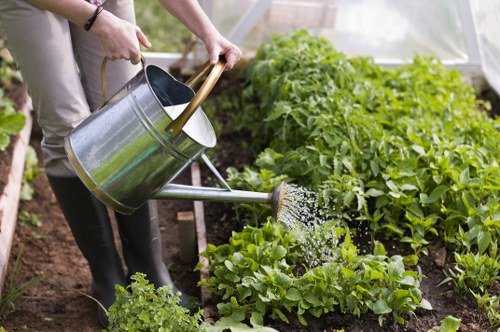
We actively cultivate partnerships with local charities and community groups to give usable materials a second life. Wood chippings and larger branches are offered to community allotments and urban tree-planting projects; intact timber is directed to social enterprises for reuse in furniture or raised beds; and potted plants or healthy shrubs are rehomed via community schemes. Our collaborations prioritise charities and not-for-profits that operate in the boroughs bordering Yeading.These partnerships create multiple benefits: less material goes to landfill, community projects get low-cost or free resources, and a circular economy is reinforced locally. We document material donations and transfers to provide transparency about volumes reused versus recycled, supporting our internal reporting toward the recycling percentage target and enabling partners to plan planting and restoration work.
Transportation of green waste is a major source of emissions, so we are phasing in low-carbon vans across our fleet. Our operational plan includes electric vans for short urban runs and Euro 6 hybrid vehicles for longer transfers to processing centres. Using low-emission vehicles reduces the carbon footprint of each collection trip and complements the shorter transfer routes to local hubs.

Practical Recycling Activities in Yeading and Borough Approach
Local recycling activity relevant to hedge and garden services includes:- Separate green waste collections for garden cuttings and leaves
- Kerbside mixed recycling for plastics, cans and paper from on-site waste
- Designated bulky waste reuse streams for items recovered during clearances
We also invest in mobile chippers and shredders so a substantial portion of hedge trimmings can be processed on-site into mulch or compost feedstock. This on-site chipping reduces transport volume and provides an immediate, useful product that can be returned to gardens, planted areas or community allotments for soil improvement and erosion control.
Monitoring and reporting form a key part of our sustainable service model. We keep a running log of tonnes collected, tonnes sent to composting or chipping, and tonnes passed to charity partners for reuse. These records enable us to demonstrate progress toward the recycling target and to highlight opportunities for improving separation and reducing residual waste.
 Waste reduction measures include prioritising mulching over removal for minor trimmings, reclaiming good-quality soil for reuse, and using biodegradable bags for any obligatory containment. We also train our teams in best practice segregation so they can make quick, correct decisions while working on site — mirroring the boroughs' approach to waste separation and helping residents contribute to higher recycling rates.
By combining practical on-site measures, partnerships with local charities, judicious use of low-emission vehicles, and reliable transfer-station routing, our Yeading hedge trimming services aim to create a replicable model of sustainability. The goal is a visible, local circular loop: cuttings become mulch or compost, usable timber finds new purpose in community projects, and recyclable packaging is returned to the materials economy — all while meeting our recycling percentage target and lowering the carbon footprint of routine garden maintenance.