Yeading gardeners guide to drought tolerant plants for small plots
If your garden in Yeading feels more like a narrow strip, a paved pocket, or a sun-baked courtyard than a roomy lawn, you are not alone. Small plots can be brilliant little spaces, but they can also dry out fast, leave little room for error, and punish the wrong plant choice. This Yeading gardeners guide to drought tolerant plants for small plots is here to make the job easier: what to plant, how to arrange it, and how to keep everything looking tidy without constant watering. Truth be told, once you get the hang of it, the whole thing becomes much less stressful.
Whether you are trying to cut down on water use, reduce maintenance, or simply want plants that keep their shape through a hot spell, the right drought-tolerant planting scheme can transform a tiny outdoor space. And yes, even a small plot can feel lush. It just needs a bit of smart thinking.
- Why drought tolerant planting matters in Yeading
- How drought tolerant plants work in small gardens
- Key benefits and practical advantages
- Who this is for and when it makes sense
- Step-by-step guidance
- Expert tips for better results
- Common mistakes to avoid
- Tools, resources and recommendations
- Law, compliance, standards, or best practice
- Options, methods, or comparison table
- Case study or real-world example
- Practical checklist
- Conclusion
- Frequently asked questions
Why Yeading gardeners guide to drought tolerant plants for small plots Matters
In a place like Yeading, small gardens often have to do a lot of work. They may back onto fences, sit beside hard landscaping, or get reflected heat from walls and paving. That means the soil can dry out quickly, especially on bright days when the sun hangs around and the wind sneaks through. A thirsty border in a tiny space becomes a chore very quickly.
Drought tolerant planting is not about creating a desert look, and it is not only for very sunny plots. It is about choosing plants that can cope with short dry spells, lighter watering, and the reality of everyday life. Maybe you go away for a weekend. Maybe you forget the hose for two days. Maybe the weather turns warm just as your work week gets hectic. Plants that can shrug off a bit of neglect are often the most forgiving companions.
For small plots, this matters even more because every plant has to earn its keep. There is no room for a bed full of plants that collapse by July. You want structure, texture, seasonal colour, and reliable growth. You want a garden that still looks intentional when the rain has been absent for a while. That is the quiet power of smart plant selection.
There is also the wider practical side. Water use matters, and so does maintenance time. Many Yeading homeowners, landlords, and busy families want a garden that looks cared for without needing a full afternoon every weekend. If that sounds familiar, you are in the right place.
How Yeading gardeners guide to drought tolerant plants for small plots Works
Drought tolerant planting works by matching the plant to the conditions you actually have, not the conditions you wish you had. That sounds obvious, but it is where many small gardens go wrong. A plant that loves rich moisture-holding soil may look fine for a while, then sulk as soon as the weather changes. A drought tolerant plant is generally better at storing water in its leaves, using it slowly, or simply coping with less frequent watering.
In practical terms, this means looking at a few things together:
- Sun exposure: Full sun, partial shade, or a mix across the day.
- Soil type: Free-draining, clay-heavy, or thin soil over hard ground.
- Plant size at maturity: Small plots need compact varieties more than sprawling ones.
- Watering pattern: Occasional deep watering is usually better than daily splashes.
- Root space: Containers, raised beds, and narrow borders all behave differently.
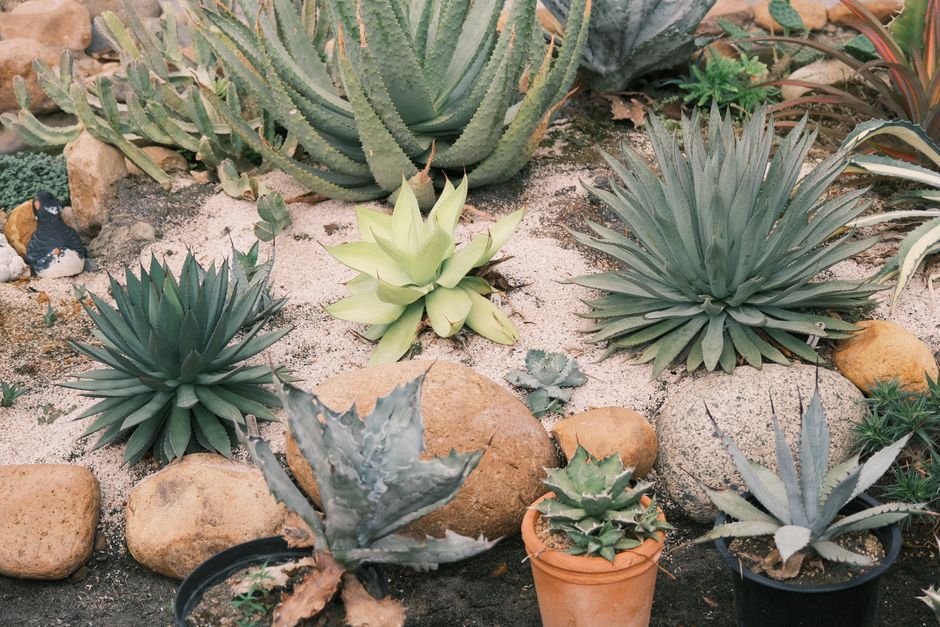
In a tiny garden, the best drought-tolerant plants tend to do double duty. Lavender gives scent and structure. Sedums bring late-season interest. Thyme softens edges and works in gravelly spaces. Ornamental grasses add movement with very little fuss. You can even use shrubs or climbers that stay compact if you prune them lightly and plant them where they have room to breathe.
One thing to remember: drought tolerant does not mean no care at all. It means the care is smarter. Deep watering during establishment, mulch to reduce evaporation, and the right soil preparation make a noticeable difference. Really noticeable, actually.
Key Benefits and Practical Advantages
There are several reasons homeowners in small outdoor spaces lean towards drought tolerant planting. Some are obvious. Some only become obvious once you have spent a summer trying to rescue a thirsty bed every other evening.
- Lower maintenance: Less frequent watering and fewer emergency plant rescues.
- Better resilience: Plants cope more confidently with short hot spells and dry wind.
- Cleaner-looking plots: Compact, tough plants help small spaces feel tidy rather than overwhelmed.
- More flexible design: Drought tolerant plants suit borders, containers, gravel gardens, and raised beds.
- Longer seasonal appeal: Many hold shape, colour, or texture well into late summer.
- Useful for busy households: Ideal if you want a nice garden without a lot of fuss.
There is also a psychological benefit, if that makes sense. A small garden that looks healthy and settled tends to feel calmer. You are not staring at crispy leaves and wondering what failed this time. Instead, the space starts to feel like it can cope on its own a bit. That is worth a lot.
Expert summary: In compact gardens, drought tolerant plants are less about surviving extreme desert conditions and more about creating a balanced planting scheme that stays attractive with modest water, sensible soil care, and regular but light maintenance.
Who This Is For and When It Makes Sense
This approach suits a wide range of Yeading gardeners, but especially people with limited outdoor space or limited time. If your garden is small, overlooked, partly paved, or exposed to heat bouncing off nearby walls, drought tolerant planting can be a very practical choice.
It makes sense if you:
- have a front garden, courtyard, terrace, or narrow back garden
- want to reduce watering and routine upkeep
- need plants that stay neat in containers or raised beds
- have free-draining soil that dries out quickly
- travel, work long hours, or simply prefer lower-maintenance gardening
- want a more climate-resilient planting scheme without giving up colour or fragrance
It may be less suitable if your plot is very shaded and heavy with moisture-retentive clay, unless you choose drought tolerant plants that also tolerate some shade. That is the key distinction. Not every drought tolerant plant loves the same conditions. Some crave sun; others are more flexible. A decent design starts with that reality, not with wishful thinking.
Families with pets or children also need to think carefully about plant choice. Certain ornamental plants are more suitable than others around play areas, and spiny or toxic specimens should be placed thoughtfully. A garden should be pleasant to use, not a mild obstacle course.
Step-by-Step Guidance
Here is a practical way to build a drought tolerant planting scheme for a small plot without overcomplicating it. No grand theory. Just the steps that matter.
1. Map your light and heat
Spend a little time watching the garden at different points in the day. Where does the sun hit hardest at lunchtime? Which corner stays cool? Where does the wall reflect heat? You will often find that a small garden has several microclimates packed into a few square metres, which is both annoying and useful. Annoying because it is fiddly. Useful because you can place the right plants in the right spot.
2. Check the soil and drainage
If water disappears quickly, your plants will need more drought tolerance. If puddles linger after rain, you may need to improve drainage before you plant. In many Yeading gardens, soil can be patchy: part original soil, part builder's rubble, part compacted top layer. A simple fork test tells you a lot. If the ground is hard and claggy, break it up gently and add organic matter where appropriate.
3. Decide what the garden needs to do
Do you want privacy, colour, pollinator interest, evergreen structure, or a bit of all four? Small plots need choices. If you try to do everything, the garden can end up feeling cramped. A balanced combination of one or two structural plants, several medium fillers, and low edging plants usually works better than a random collection of "nice looking" specimens.
4. Choose the right plant types
For drought tolerant small gardens, look at a mix like this:
- Compact shrubs: lavender, hebes, cistus, santolina, dwarf buddleia
- Perennials: sedum, salvia, echinacea, achillea, gaura
- Grasses: stipa, festuca, smaller miscanthus varieties
- Ground cover: thyme, oregano, creeping sedum, erigeron in the right spot
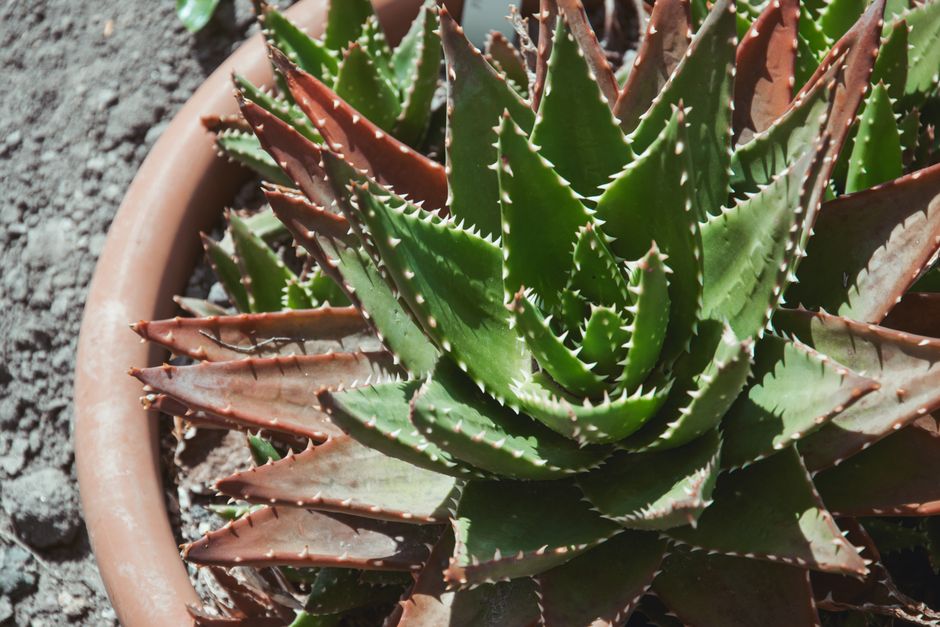
- Container plants: rosemary, dwarf agapanthus, compact grasses, succulents
Some of these prefer sharp drainage and sun. Others are a bit more forgiving. The point is not to buy everything on the list. The point is to build a combination that suits your actual garden.
5. Group plants by water need
This is a small-garden trick that saves trouble later. Put the thirstier plants together and the tougher plants together. That way you are not overwatering one plant just to keep another alive. In a tiny plot, mixed water needs can become a real nuisance, and frankly it is one of those problems that feels minor until it is not.
6. Mulch and water properly
A light mulch helps hold moisture in the soil and keeps the roots cooler. Water less often, but more deeply, especially while plants are settling in. Shallow daily watering can encourage weak roots. Better to give a proper soak and let the soil breathe in between.
7. Keep pruning light and regular
Small plots benefit from plants that stay in shape. Trim lavender after flowering, tidy up spent stems, and remove the odd straggly stem before it starts taking over. Little and often tends to work better than dramatic, once-a-year chopping.
Expert Tips for Better Results
There are a few small habits that make a big difference. These are the sort of details experienced gardeners notice quickly, often after one or two imperfect seasons. Gardening has a way of teaching you things the hard way, doesn't it?
- Use compost wisely: A little organic matter helps roots establish, but overly rich soil can make some Mediterranean-style plants floppy.
- Choose dwarf or compact forms: A plant may be drought tolerant and still be completely wrong for a small plot if it grows too large.
- Put tall plants at the back or in corners: This keeps sightlines open and stops the garden feeling crowded.
- Layer textures: Pair spiky grasses with soft perennials and clipped shrubs to create interest without clutter.
- Use containers to test ideas: If you are unsure about a plant, trial it in a pot first.
- Watch reflected heat: A plant that is happy in open sun may struggle against a south-facing wall if the heat is intense.
One practical observation from many small garden projects: if a plant looks good from three metres away but eats half the border, it is not the right plant for a small plot. Harsh, maybe. True, definitely.
Also, don't forget scent. In compact spaces, fragrance carries beautifully. A pot of thyme near a path, a lavender edging by the sitting area, or rosemary beside a door can make the whole garden feel more finished. You will notice it every time you walk out with a mug of tea around eight in the morning.
Common Mistakes to Avoid
Most small garden mistakes are not dramatic. They are just slightly off enough to make the space harder to care for. Avoiding these can save you a lot of frustration.
- Choosing only on looks: A plant may be gorgeous in the shop and unsuitable for your light, soil, or space.
- Ignoring mature size: Small plots need restraint. A plant that grows wide quickly can swallow a bed.
- Overwatering drought tolerant plants: Many of them dislike sitting wet, especially in winter.
- Packing plants too tightly: Crowding creates competition and reduces airflow, which can lead to weak growth.
- Skipping soil preparation: Even tough plants perform better with decent planting conditions.
- Forgetting seasonal interest: A garden needs something happening beyond a brief summer bloom.
- Mixing wildly different needs in one bed: This is the quiet killer of many tidy-looking borders.
Another common issue is wanting instant fullness. It is understandable. We all want the "finished" look on day one. But a small plot often improves with a little patience. The plants settle, roots spread, and the whole thing starts to knit together. Give it a season, not a weekend.
Tools, Resources and Recommendations
You do not need a van full of gear to create a drought tolerant small garden, thankfully. A few sensible tools and materials go a long way.
- Spade or border fork: For loosening compacted soil and planting shrubs or perennials.
- Hand trowel: Handy for containers, edging, and tight spaces.
- Watering can or hose with control: Useful for careful establishment watering.
- Mulch: Organic mulch or decorative gravel, depending on plant preference and style.
- Secateurs: For deadheading, trimming, and shaping compact plants.
- Soil improver or compost: Helpful where the ground is tired or poor.
If you are working with a very small outdoor area, a few local service pages may also be useful background reading. For general upkeep, see garden maintenance support, and if the plot needs a major reset first, garden clearance can help clear the way for planting. If you are planning a bigger rework that includes paths, borders, or layout changes, landscape gardening is the broader route to think about.
For people who want to understand the full range of what can be done outdoors, the services overview gives a useful sense of how different jobs fit together. And if you are just getting a feel for the company behind the work, the about us page is there too.
Law, Compliance, Standards, or Best Practice
Most home planting choices are a matter of good horticultural practice rather than formal regulation, but there are still a few sensible standards to keep in mind. In the UK, good garden practice means planting responsibly, respecting boundaries, and considering drainage, safety, and waste handling where work is involved.
If you are hiring help, it is sensible to check that the work is covered appropriately and that the business follows clear safety procedures. Many homeowners simply want reassurance that the garden will be handled carefully and that materials, tools, and waste will be managed properly. That is fair enough. A tidy garden should not come with unnecessary surprises.
Also, if you are making major changes near fences, shared boundaries, or hard landscaping, it is wise to think about access and runoff. Drought tolerant planting can reduce watering demand, but installation still needs care so that the finished result drains well and does not undermine neighbouring spaces. Nothing dramatic here. Just sensible, neighbourly practice.
Where a job includes larger pruning, tree work, or substantial site clearance, the relevant safety and insurance expectations become more important. For more on site standards and peace of mind, you can review insurance and safety and the health and safety policy. If you want to know how personal information or website use is handled, the site also provides a privacy policy and terms and conditions.
Options, Methods, or Comparison Table
There are several ways to build a drought tolerant small plot, and the best option depends on the look you want, how much time you have, and whether the space is mainly decorative, productive, or both.
| Approach | Best for | Strengths | Watch-outs |
|---|---|---|---|
| Perennial border | Colour and seasonal change | Long flowering periods, good texture, relatively low maintenance | Needs sensible spacing and occasional cutting back |
| Gravel garden | Sunny, free-draining plots | Excellent drainage, very good drought performance, crisp look | Can feel stark if not softened with planting |
| Container scheme | Patios, yards, rented homes | Flexible, easy to redesign, perfect for compact spaces | Pots dry out faster and need more checking in hot spells |
| Mixed shrub and perennial border | Structure plus colour | Good year-round shape, strong visual balance | Needs more planning at the start |
| Pollinator-focused planting | Wildlife-friendly small gardens | Useful for bees, attractive, informal feel | Can look untidy if not lightly managed |
If you are unsure where to start, a mixed shrub-and-perennial approach is often the safest first step. It gives the garden backbone and allows for seasonal changes without becoming too demanding. Simple, but not boring.
Case Study or Real-World Example
A typical small Yeading garden might be a narrow rear plot behind a terraced home: maybe six metres long, with paving near the house, a sunny strip down one side, and a slightly shaded back corner. The owner wants colour, a bit of privacy, and less watering because the space dries out fast in summer.
In a setup like that, a sensible planting scheme might include:
- two compact evergreen shrubs for structure
- a row of lavender or salvias near the sunnier edge
- sedum or achillea for late-season interest
- thymus or low-growing oregano to soften paving edges
- one or two grasses for movement and lightness
The result is not a fussy show garden. It is better than that. It looks deliberate, copes with dry weather, and still has enough softness to feel friendly. The owner waters deeply once or twice a week during dry spells rather than fussing every evening. That is often the real win. Less panic, more enjoying the space.
In the first season, the key is establishment. After that, the garden usually becomes much more self-reliant. You start noticing the details instead of the problems: the scent from a hot lavender border, the way grasses rustle in the evening, the clean lines of a small space that finally feel under control.
Practical Checklist
Use this quick checklist before you plant. It keeps the whole project grounded.
- Have I checked how much sun the plot gets through the day?
- Do I know whether the soil drains quickly or holds water?
- Have I chosen plants that stay compact at maturity?
- Do the plants I want have similar water needs?
- Is there a clear mix of structure, colour, and ground cover?
- Have I allowed space between plants for growth and airflow?
- Will I mulch or otherwise reduce evaporation?
- Do I have a simple watering plan for the first season?
- Have I considered how the garden will look in winter as well as summer?
- Is the final layout realistic for the time I actually have?
If you can tick most of those off, you are in a good position. Not perfect. Good enough is often the start of a really nice garden.
Conclusion
A small garden in Yeading does not need to be high-maintenance to be beautiful. With the right drought tolerant plants, a smart layout, and a bit of patience at the start, even a modest plot can feel calm, resilient, and genuinely inviting. The trick is to work with the space, not against it.
Choose plants that suit the light, respect the mature size, and group similar water needs together. Keep the design simple enough to maintain, but not so plain that it loses character. A tiny garden can still have presence. In fact, sometimes the smallest spaces feel the most considered.
Get a free quote today and see how much you can save.
If you are ready to improve a tired border, refresh a compact courtyard, or build a planting scheme that copes better with dry weather, it may help to explore the wider options for landscaping or ongoing garden maintenance. And if you want a quick route into the team, contact us is the straightforward next step. Small plots can be a joy, honestly. They just need the right plants and a bit of care.
Frequently Asked Questions
What are the best drought tolerant plants for small gardens in Yeading?
Compact lavender, sedum, salvia, thyme, ornamental grasses, and smaller shrubs like hebes are often strong choices. The best pick depends on sun, soil, and the space available.
Do drought tolerant plants need watering at all?
Yes, especially while they are establishing. After that, they usually need less frequent watering than thirstier plants, but they are not completely self-sufficient.
Can I grow drought tolerant plants in pots?
Absolutely. Pots are often a smart option for small plots. Just remember containers dry out faster than borders, so they still need checking during warm weather.
Will drought tolerant planting work in partial shade?
Some plants will, but not all. Look for species that tolerate sun and light shade, and avoid assuming every drought tolerant plant likes the same conditions.
How do I stop a small plot from looking sparse at first?
Use a mix of structural plants, mid-height perennials, and ground cover. You can also start with slightly closer spacing, as long as the plants still have room to grow.
Is mulch really worth it in a tiny garden?
Yes. Even in a small plot, mulch helps keep moisture in the soil, reduces weeds, and makes beds look more finished. It is one of those boring jobs that quietly pays off.
What is the easiest drought tolerant plant to look after?
Lavender is often one of the easiest in the right conditions, especially in sunny, well-drained spots. Sedum is another low-fuss choice for many small gardens.
Can drought tolerant plants still provide colour?
Definitely. Salvias, echinacea, achillea, and many compact perennials provide excellent colour through the growing season. A drought tolerant garden does not have to look dry or dull.
How often should I water drought tolerant plants in summer?
There is no single rule, because soil and weather change everything. In general, water deeply when the soil is drying out rather than giving small daily drinks.
Do I need professional help to design a small drought tolerant garden?
Not always, but professional help can save time if your plot has tricky drainage, awkward shade, or you want a more polished finish. It can also help if you want the job done in one go instead of in stages.
Are drought tolerant plants better for the environment?
They can be, especially if they reduce water use and are suited to the site. The benefit is strongest when the plants are well matched to local conditions and maintained sensibly.
What should I do first if my current garden keeps drying out?
Start by checking sun, soil, and drainage. Then remove plants that clearly struggle, improve the soil where needed, and choose a smaller group of tougher plants that suit the space.